

Installing Reliable Earthing Systems for Safety: A Practical Guide to Earthing System Setup
Ensuring safety in commercial, industrial, and public sector environments requires a dependable earthing system setup. Proper earthing protects people, equipment, and buildings from electrical faults and lightning strikes. This article provides clear, practical guidance on installing reliable earthing systems. It covers essential components, common mistakes, and best practices to help maintain safety and compliance.
Understanding the Importance of Earthing System Setup
Earthing systems provide a direct path for electrical currents to flow safely into the ground. This prevents dangerous voltages from building up on equipment and structures. Without a reliable earthing system, electrical faults can cause fires, equipment damage, or even fatal electric shocks.
In commercial and industrial settings, earthing systems must meet strict standards. These systems reduce the risk of electrical hazards and ensure continuity of operations. A well-designed earthing system also protects sensitive electronic devices from damage caused by electrical surges.
Key benefits of a proper earthing system setup include:
Safety for personnel by preventing electric shock.
Protection of equipment from electrical faults and surges.
Compliance with regulations and industry standards.
Minimising downtime caused by electrical failures.
Key Components of an Effective Earthing System Setup
A reliable earthing system consists of several critical components. Each part plays a role in safely directing electrical currents into the earth.
Earth Electrodes
Earth electrodes are conductive rods or plates buried in the ground. They provide the physical connection between the electrical system and the earth. Common types include copper rods, steel rods with copper cladding, and earth mats.
Earth Conductors
These are cables or strips that connect the electrical installation to the earth electrodes. They must be made of corrosion-resistant materials and sized correctly to handle fault currents.
Earth Bars and Connectors
Earth bars serve as central points where multiple earth conductors connect. Connectors ensure secure and low-resistance joints between conductors and electrodes.
Testing Equipment
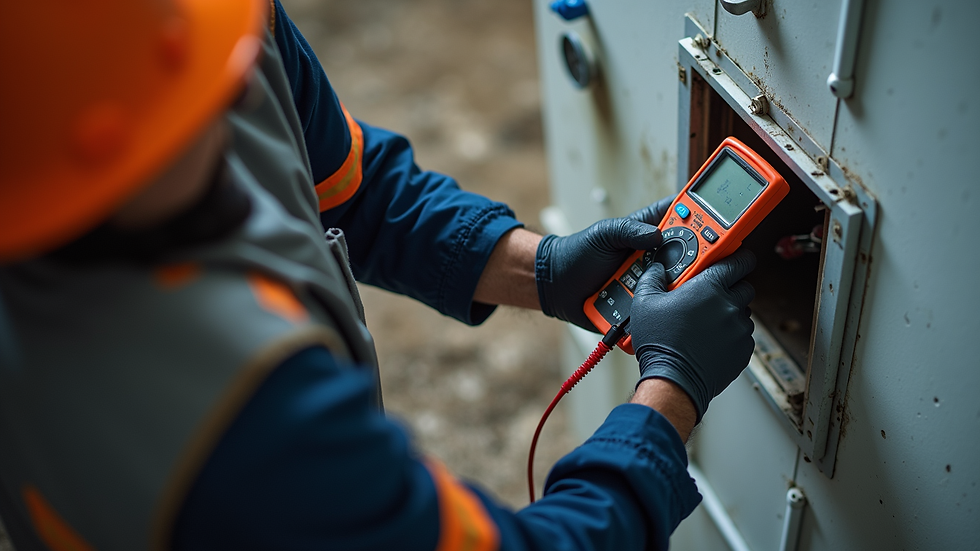
Regular testing of the earthing system is essential. Earth resistance testers measure the resistance between the earth electrode and the ground. Low resistance indicates a good connection.
Installation Environment
Soil type, moisture content, and temperature affect earthing system performance. For example, dry or rocky soil may require additional electrodes or chemical treatment to improve conductivity.

What are common earthing mistakes?
Mistakes during earthing system setup can compromise safety and system effectiveness. Being aware of these errors helps avoid costly and dangerous problems.
Poor Soil Assessment
Failing to assess soil resistivity leads to inadequate electrode placement. Some soils have high resistance, requiring more electrodes or special materials.
Incorrect Electrode Installation Depth
Electrodes must be buried deep enough to reach moist soil layers. Shallow installation increases resistance and reduces effectiveness.
Using Inappropriate Materials
Using non-corrosion-resistant materials causes deterioration over time. This increases resistance and can lead to system failure.
Inadequate Connections
Loose or poorly made connections increase resistance and risk of failure. All joints must be tight and corrosion-protected.
Ignoring Regular Testing
Without periodic testing, faults or degradation go unnoticed. This can lead to dangerous conditions developing over time.
Overlooking System Design
A one-size-fits-all approach does not work. Each site requires a tailored design based on electrical load, soil conditions, and regulatory requirements.
Best Practices for Installing Reliable Earthing Systems
Following best practices ensures the earthing system remains safe and effective over its lifespan.
Conduct a Detailed Site Survey
Start with a thorough site survey. Measure soil resistivity and identify suitable locations for electrodes. Consider environmental factors like moisture and temperature.
Use Quality Materials
Select electrodes, conductors, and connectors made from high-quality, corrosion-resistant materials. Copper and copper-clad steel are common choices.
Follow Regulatory Standards
Adhere to UK standards such as BS 7671 (IET Wiring Regulations) and BS EN 62305 for lightning protection. Compliance ensures safety and legal conformity.
Install Multiple Electrodes if Needed
In high-resistance soils, install multiple electrodes connected in parallel. This reduces overall resistance and improves system reliability.
Ensure Proper Depth and Spacing
Bury electrodes deep enough to reach moist soil. Space multiple electrodes to avoid overlapping resistance zones.
Secure All Connections
Use appropriate clamps and connectors. Protect joints with anti-corrosion compounds or sealants.
Document the Installation
Keep detailed records of the earthing system layout, materials used, and test results. This aids future maintenance and inspections.
Schedule Regular Testing and Maintenance
Test earth resistance at least annually or after any system changes. Inspect for corrosion, loose connections, or physical damage.
Practical Recommendations for Long-Term Safety
To maintain a reliable earthing system, implement these practical steps:
Plan for Expansion - Design the system to accommodate future electrical load increases.
Use Protective Barriers - Prevent accidental damage to electrodes and conductors during construction or landscaping.
Train Personnel - Ensure staff understand the importance of earthing and how to identify potential issues.
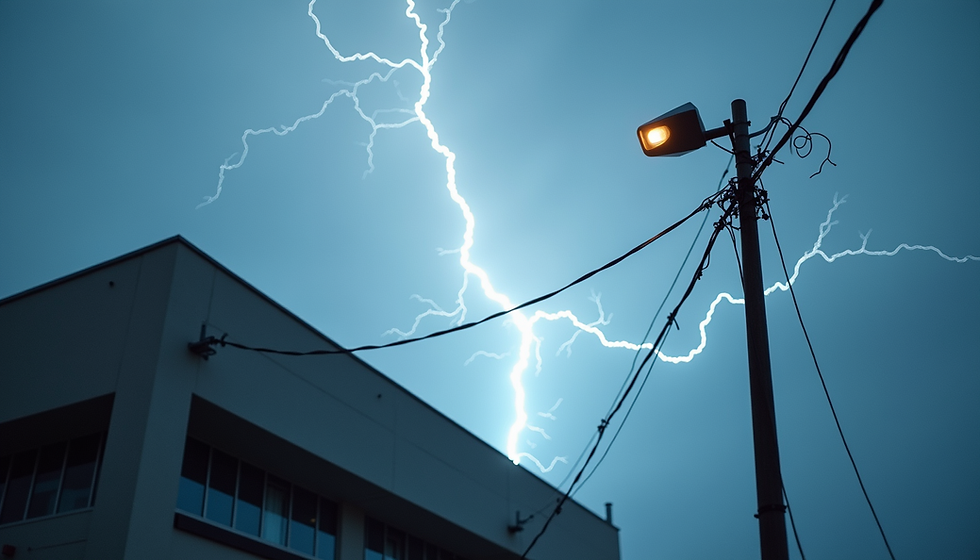
Integrate Lightning Protection - Combine earthing with lightning protection systems for comprehensive safety.
Monitor Environmental Changes - Changes in soil conditions or nearby construction can affect earthing performance.
For those seeking professional assistance, consider expert services specializing in earthing system installation to ensure compliance and reliability.
Ensuring Safety Through Reliable Earthing System Setup
Installing a reliable earthing system is essential for safety in commercial, industrial, and public sector environments. It protects people, equipment, and property from electrical hazards. By understanding key components, avoiding common mistakes, and following best practices, you can achieve a safe and effective earthing system setup.
Regular testing and maintenance keep the system functioning correctly over time. Proper planning and quality materials further enhance safety and compliance. Reliable earthing is a critical part of any electrical safety strategy and should never be overlooked.
This blog is AI generated


Comments