

The Importance of Lightning Risk Assessments in the UK - UK Risk Assessment Insights
Lightning strikes pose a significant threat to buildings, infrastructure, and people. In the UK, where weather conditions can be unpredictable, understanding and managing this risk is essential. A lightning risk assessment helps identify vulnerabilities and implement measures to reduce potential damage and hazards. This article explains why lightning risk assessment is important, what it involves, and how it benefits various sectors.
Understanding Lightning Risk in the UK - UK Risk Assessment Insights
Lightning is a natural electrical discharge that can cause fires, power surges, structural damage, and injury. Although the UK experiences fewer lightning strikes than some other countries, the risk remains real and should not be underestimated. Buildings with tall structures, metal frameworks, or sensitive electrical equipment are particularly vulnerable.
A lightning risk assessment evaluates the likelihood of a lightning strike and the potential consequences. It considers factors such as:
Location and height of the building
Surrounding terrain and vegetation
Construction materials used
Presence of electrical and communication systems
Occupancy and use of the premises
By assessing these elements, the risk assessment identifies weak points and recommends protective measures. This process is crucial for commercial, industrial, and public sector clients who need to ensure safety and continuity of operations.
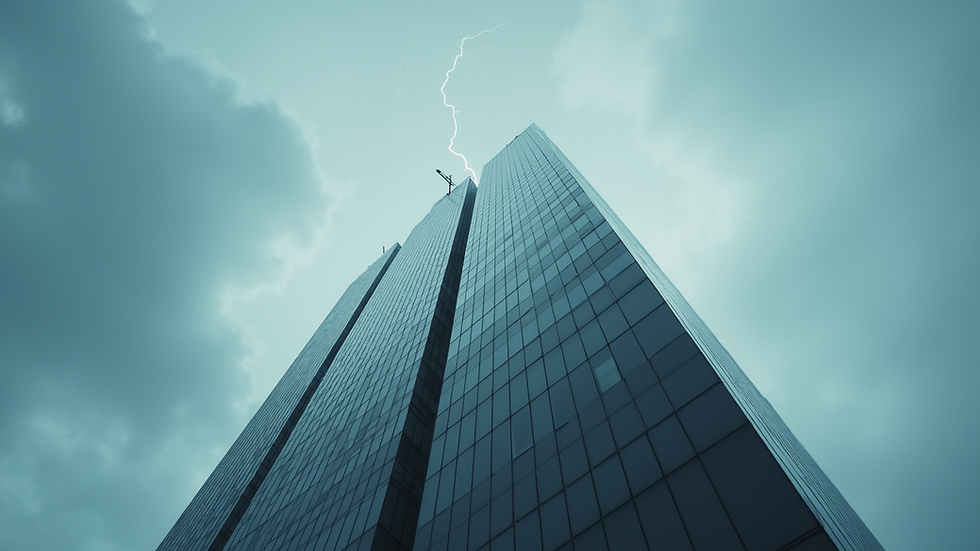
Key Components of a Lightning Risk Assessment
A thorough lightning risk assessment involves several steps:
Site Inspection
Inspect the building and surrounding area to note features that affect lightning risk. This includes checking for existing lightning protection systems and earthing arrangements.
Risk Analysis
Calculate the probability of a lightning strike based on geographic and environmental data. Assess the potential impact on people, property, and operations.
Protection Measures Review
Evaluate current lightning protection measures such as air terminals, down conductors, and earth electrodes. Determine if they meet relevant standards and are properly maintained.
Recommendations
Provide clear guidance on improvements needed. This may include installing or upgrading lightning rods, enhancing earthing systems, or implementing surge protection devices.
Documentation
Produce a detailed report outlining findings, risk levels, and suggested actions. This document supports compliance with health and safety regulations.
The assessment process ensures that risks are managed proactively rather than reactively. It also helps organisations meet legal obligations and insurance requirements.
How much does a lightning risk assessment cost?
The cost of a lightning risk assessment varies depending on the size and complexity of the site. Factors influencing price include:
Number of buildings and structures to be assessed
Accessibility and location of the site
Level of detail required in the report
Additional services such as testing and certification
Typically, smaller commercial premises may expect a lower fee, while large industrial complexes or public facilities will incur higher costs. It is important to view the assessment as an investment in safety and risk reduction rather than a simple expense.
Obtaining quotes from qualified specialists ensures transparency and value for money. Many providers offer tailored packages to suit different budgets and needs.
Benefits of Conducting a Lightning Risk Assessment
There are several practical benefits to carrying out a lightning risk assessment:
Improved Safety
Identifying and mitigating lightning hazards protects people from injury and reduces the risk of fire.
Asset Protection
Proper lightning protection prevents costly damage to buildings, machinery, and electronic equipment.
Business Continuity
Minimising downtime caused by lightning-related incidents helps maintain operations and service delivery.
Regulatory Compliance
Meeting health and safety standards avoids legal penalties and supports insurance claims.
Cost Savings
Preventing damage and disruption reduces repair and replacement costs over time.
For organisations with critical infrastructure or high-value assets, these benefits are especially important. A well-executed lightning risk assessment supports long-term resilience.
Implementing Effective Lightning Protection Measures
After completing a lightning risk assessment, the next step is to implement recommended measures. Common solutions include:
Air Terminals (Lightning Rods)
Installed at the highest points to intercept lightning strikes safely.
Down Conductors
Provide a controlled path for lightning current to flow to the ground.
Earthing Systems
Disperse electrical energy safely into the earth, preventing dangerous voltages.
Surge Protection Devices
Protect electrical and electronic equipment from voltage spikes caused by lightning.
Regular Maintenance and Testing
Ensures all components remain functional and compliant with standards.
Choosing the right combination of measures depends on the specific risks identified. Professional advice is essential to design and install effective systems.
Final Thoughts on Lightning Risk Management
Lightning risk assessment is a critical step in protecting buildings and people from the dangers of lightning strikes. It provides a clear understanding of vulnerabilities and guides the implementation of effective protection measures. For commercial, industrial, and public sector clients, this process supports safety, compliance, and operational reliability.
Engaging with experienced specialists ensures assessments are thorough and recommendations are practical. Investing in lightning risk assessment and protection is a proactive approach that reduces risk and safeguards assets.
For more information on how to manage lightning risks, consider consulting experts who specialise in lightning protection systems. They can provide tailored advice and services to meet your specific needs.
This article was generated with AI.


Comments